
Dentures– Gainesville, FL
Restoring Smiles with Reliable Tooth Replacements

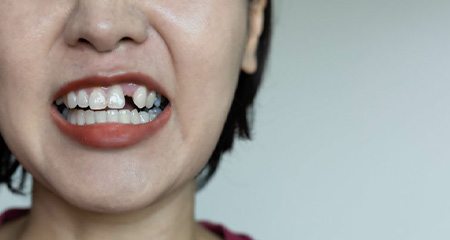
Whether it is a few or all your teeth that are missing, it can be devastating to your self-esteem and oral health. While you’re busy hiding behind your hands each time you speak to someone or a camera appears, your mouth (and face) are undergoing a transformation that will have you seeing someone in the mirror you may not recognize. To prevent this, our doctors offer partials and dentures in Gainesville, FL. For years, patients have achieved success with this type of restorative dentistry, and so can you! In fact, with dentures, you can take back your smile and your facial appearance, feeling more confident than ever about the way you look.
Who’s a Good Candidate for Dentures?

The best way to know whether you’re a good dentures candidate is to schedule a consultation with our office. The effects of missing teeth can be devastating to both your physical and mental health, and our team wants to make sure we provide you with the replacement solution that best suits your needs. Whether that does indeed mean getting dentures or an alternative restoration, we’ll be with you every step of the way!

How Dentures Are Made
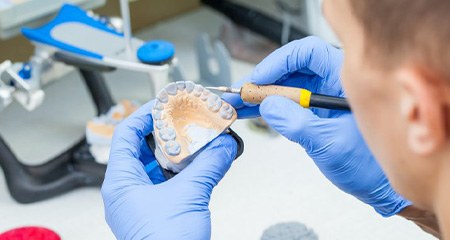
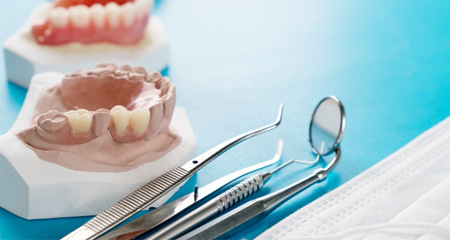
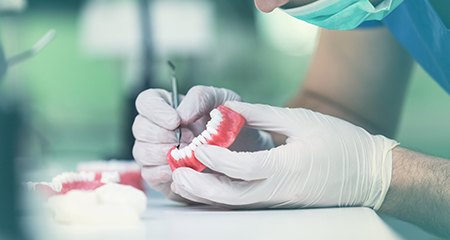
Have you ever wondered how dentures are made to be a perfect fit for your smile? A lot of care and meticulous attention to detail goes into the process. It takes involved coordination between your dentist and local dental lab technicians to create a quality restoration, but when all is said and done, you’ll have a seamless, fully functional grin.
Types of Dentures
There are several different types of dentures out there, and our team can help you determine which one is right for you. To learn more about your tooth loss situation, and so our team can hear about your smile goals, schedule a consultation with us. Based on our examination and conversation, we can outline a few different pathways for you to take on your journey to a whole smile.
Partial Dentures
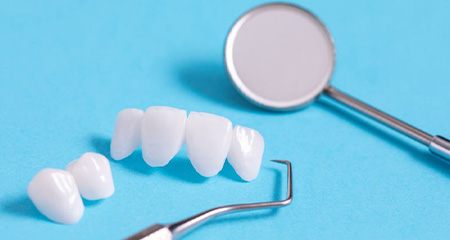
Partial dentures are ideal for patients who are missing several teeth in an arch. These are designed to fit like a puzzle piece between your existing teeth, supporting the replacements and holding them securely in place. Similar to regular dentures, partials typically have a gum-colored base and acrylic, natural-looking replacement teeth. Some of them also feature a metal base.
Full Dentures
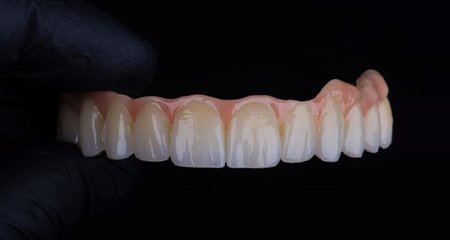
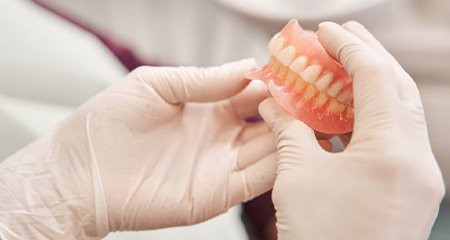
Full dentures consist of a gum-colored base with natural-looking replacement teeth. The base is made to utilize suction that’s naturally present when placed atop the gumline to stay securely in the mouth, allowing you to eat and speak with much greater ease.
Implant Dentures
Full dentures can also be secured to dental implants for enhanced stability as well as results that look and feel natural. Dental implants naturally fuse with the jawbone, allowing them to restore not just the visible surface of teeth, but also the underlying root structure. As a result, patients who receive implant dentures don’t suffer from jawbone erosion over time.
The Benefits of Dentures

The loss of multiple teeth can make it difficult to complete daily tasks such as chewing, speaking clearly, and smiling proudly. Thankfully, dentures can be a fantastic and functional way to enjoy a complete and healthy smile after tooth loss. If you’re struggling to decide whether full or partial dentures are right for you, the team at Exceptional Dentistry & Sedation Center encourages you to consider the many benefits this type of restorative dentistry offers to patients with missing teeth or who need extractions, such as:
Psychological Benefits

Tooth loss can make one shy about showing their smile and diminish their confidence, which can lead to a range of unpleasant psychological health issues like sadness, depression, and isolation. Restoring the appearance and function of your smile with dentures can make it easier to grin proudly, chew thoroughly, speak clearly, and engage socially.
Clearer Enunciation

The gaps in the smile created by tooth loss can alter the way air flows about the mouth during speech and make it more difficult to pronounce certain sounds. Since dentures act in the place of the missing teeth, they can make it easier to speak clearly and confidently. While you can expect to need some time to get used to wearing your appliance, you should find that speaking feels more natural as you get more practice. Your restorations should eventually become so comfortable that you may find yourself forgetting you are wearing dentures at all.
Improves Nutrition

The loss of even a single tooth can make many nutritious foods too difficult to chew. Since dentures can restore much of your original chewing ability, they can make it much easier to chew thoroughly, enjoy a healthy and interesting diet, and avoid issues like indigestion and malnutrition.
Preserves Oral Health

Tooth loss can leave the gums vulnerable to injury and redistribute the pressure of chewing, which can result in uneven enamel wear, and it may also make it much easier for the rest of the smile to drift out of alignment, leading to discomfort and oral infections. Dentures can support the remaining teeth to prevent dental drift and unnecessary enamel erosion.
Expands Opportunities

A person’s smile is one of the first things others notice about them, so your grin can be a crucial part of the first impressions you make in business and social settings. Addressing tooth loss with dentures can help you smile proudly, meet people, build rapport, earn trust, close sales, and stand out from the competition when being considered for a new job or a juicy promotion.
What You Should Know Before Getting Dentures

Before you move forward with full or partial dentures, it is in your best interest to have all the information you need. We certainly don’t want you to make a decision about your dental care without being 100% confident about it. To help in your decision-making process, here are a few things you should know about this tried and true treatment:
- Dentures look completely natural – There is no need to worry about the appearance of your “false teeth.” With the advancements in dentistry, your new smile will look completely natural. From the materials used to the techniques and technology, your artificial teeth and gums will appear as if they have been a part of your mouth all along.
- They are comfortable to wear – In George Washington’s day, dentures were made of wood, and they were certainly not made to be comfortable. Fortunately, times have changed, and dentures are now lighter and can more closely conform to your jaw and gums, making it a much more pleasing experience.
- They’re not made to last forever – As great as they are, dentures are unfortunately not designed to last a lifetime. Over time, changes in your jaw and facial structure will lead to relining, readjusting, and replacing your dentures.
Understanding the Cost of Dentures
Dentures are personalized to fit your mouth exactly and provide many years of use and function. Of course, since they are so customized to your needs, there are multiple factors that come into play when determining their cost. By giving us a call and scheduling an appointment, you can speak with our dedicated team directly. In the meantime, consider the most notable contributing factors below ahead of your visit.



How to Get Started
If you are searching for a “dentist near me,” to help restore your smile to its original beauty, look no further than Drs Art & Kim Mowery. Their expert knowledge and experience will have you not only seeing beautiful results but an increase in your confidence level. No one should have to go through life with missing teeth, so if you’re ready, get started today by calling us to schedule a consultation. We will be happy to assist you!
Denture Aftercare

When you first get dentures, continued dental care might seem unnecessary. “After all,” you may think, “artificial teeth won’t decay like natural ones.” Still, the truth is that dentures need daily upkeep. They rely on regular maintenance and a healthy mouth to work. Therefore, maintaining good oral habits in the future is crucial. To that end, Exceptional Dentistry has some tips on caring for dentures. Just keep reading to learn about them, or call our office for the details.
Learn More
Removeable Dentures
Remove After Eating
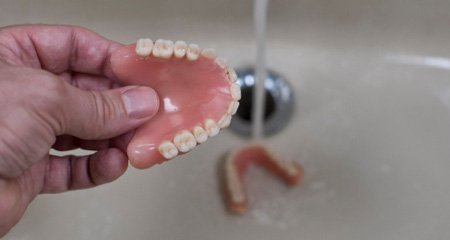
As a precaution, remove and rinse your dentures after each meal. That way, you’ll keep leftover food, plaque, and other debris from building up on their surfaces. Consequently, you’ll be less likely to develop oral health issues.
At the same time, don’t use hot water for these rinses. High temperatures, you see, can actually warp denture material. As such, rinsing with overly-hot water may result in your dentures not fitting well.
Clean Your Restoration
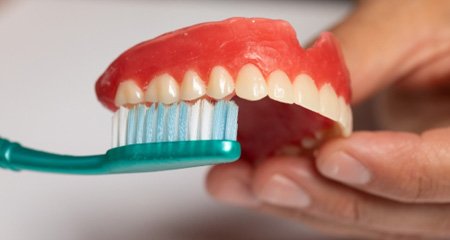
In addition to rinsing them, you should also clean your dentures at least once daily. That way, you’ll reduce your risk of gum disease and similar oral health issues.
As with a rinse, remove your dentures for each cleaning. You can then brush them with a soft-bristled toothbrush and some hand soap. You’ll want to avoid using regular toothpaste, which is abrasive and can damage dentures.
If you have time, put the dentures in a cleansing solution after brushing. This action keeps them from drying out and losing their shape. Then, rinse the dentures thoroughly before re-inserting the prosthetic teeth.
Keep Your Dentures Safe
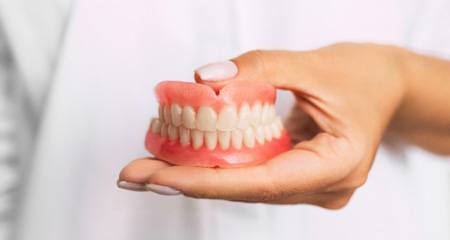
If you don’t already know, dentures are surprisingly fragile. They thus need to be consistently protected. Otherwise, the restorations could be damaged once outside your mouth.
From now on, then, keep a towel handy during denture cleanings. Placing one beneath the prosthetics will cushion your appliance if it falls.
Similarly, consider storing your dentures away from kids or pets. Such groups, after all, could find them and cause damage.
Remove Dentures When You Sleep

Ideally, you ought to take your dentures out before bed. Failing to do so will cause problems down the road.
Ultimately, there are several reasons not to sleep with dentures:
- Doing so restricts the circulation in your gums, leading to soft-tissue irritation.
- Wearing dentures overnight increases levels of gum and tongue plaque.
- The habit raises your risk of catching pneumonia.
Instead of using them while sleeping, keep your dentures in a soaking solution overnight. This habit will prevent the restorations from losing their shape.
Notice Changes
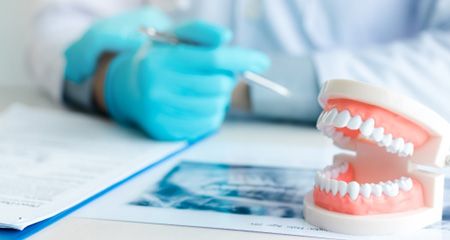
Now and in the future, you should watch for changes in your dentures and mouth. Such things may need to be addressed by a local dentist.
For example, visit the nearest practice if the dentures start fitting poorly or suffer damage. Trying to fix them yourself will simply do more harm. In contrast, a dental provider can refit, reline, or even replace the prosthetics.
Denture Frequently Asked Questions
We want you to feel absolutely confident about every treatment you choose for your smile. If you’re considering dentures, we invite you to peruse the most commonly asked questions we get about them listed below. If you don’t see the answers your looking for, don’t hesitate to give us a call and we’ll be happy to help.
How Long Will My Dentures Last?
It’s natural for your mouth to change over time. However, since partial and full dentures rely on your gums and natural teeth for support, these changes can cause them to lose their fit. In most cases, you’ll need to replace your dentures after five to seven years of use. The lifespan of your dentures also heavily depends on how well you take care of them! Cleaning them with the wrong products can weaken them and handling them carelessly can easily damage them. However, as long as you care for them properly, you can expect your dentures to last for several long years to come.
Do I Brush Dentures Like Natural Teeth?
Just like your natural teeth, plaque and bacteria will build up on your dentures all throughout the day. While your dentures themselves aren’t susceptible to cavities, it’s important to clean away those particles to keep the rest of your mouth healthy. Brush your dentures and your mouth every morning and night, as well as after each meal if possible. You should only use special denture brushes and rinse them off with plain water—regular toothbrushes and toothpaste are too abrasive and can scratch away at your dentures.
How Long Does It Take to Get Used to Wearing Dentures?
While dentures can restore the appearance of your smile right away, they take a little bit of time to get used to. It’s important to remember to be patient with yourself as your mouth adjusts to your new dental devices. For the first few weeks of wearing your new dentures, you’ll need to practice how to remove, replace, and eat with them. It’s natural to feel a bit of soreness during the adjustment period as your gums and jaw get used to your dentures. However, if your pain doesn’t seem to be going away, contact us right away. We’ll check to see if you’re developing an infection or if your dentures need to be adjusted.
What Should I Do If My Dentures Break?
Even after you get used to your new dentures, it’s important that you continue to handle them with care. If you remove, replace, or clean them without paying enough attention, it’s all too easy to drop them on a hard countertop or tiled floor. If your dentures break, don’t try to repair them yourself—you may accidentally end up damaging them more. Instead, call us. We’ll carefully inspect your dentures at your appointment to determine the severity of the damage. Sometimes, we may be able to repair them, while other times they may need to be replaced entirely. To minimize your risk of breaking your dentures, it’s a good idea to lay a towel over nearby hard surfaces like your bathroom counter or sink when handling them.