
Veneers – Gainesville, FL
A Life-Changing, Transformative Cosmetic Treatment
Instead of your smile bringing you joy, does it make you unhappy? Having a grin that’s riddled with cosmetic imperfections can gradually wear down your self-esteem, reducing your confidence and drive to be social and meet new people. At Exceptional Dentistry & Sedation Center, we take pride in being able to restore our patients’ confidence by transforming their smiles, which is why we offer several customized cosmetic procedures, including veneers in Gainesville, FL. To find out how we can erase dental flaws that make you want to hide your smile instead of show it off, contact us today to schedule a consultation!
Why Choose Exceptional Dentistry & Sedation Center for Veneers?
- Dentists Who Have Trained at the Las Vegas Institute for Advanced Dental Studies
- Flexible Financing Available with CareCredit and Lending Club
- Only the Best Materials Are Used to Custom-Made Each Veneer
What Are Dental Veneers?

Dental veneers are thin, strong shells that are individually customized to improve the appearance of damaged teeth. Whether you need one veneer or many, each of them is made from natural-looking, high-quality materials that mimic the appearance of home-grown tooth enamel. They’re permanently placed on the visible surface of your prepared teeth to conceal a variety of flaws, including chips, cracks, and gaps, to name a few.
The Process of Getting Veneers
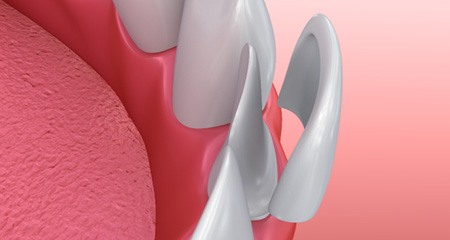
First, you’ll meet with one of our talented Gainesville cosmetic dentists to discuss your smile goals. Once they have a detailed understanding of what you want the final result to look like and have conducted a thorough oral exam, they will determine if you’re a good candidate for veneers. If you are, then it’s time to get to work on your treatment plan, including selecting the ideal shape, shade, and size of each veneer.
To “prep” your teeth for veneers, we’ll need to remove a small layer of enamel. Once this step is complete, we will take meticulous impressions for the lab artisans at the dental lab. While they are working on your final veneers, we’ll provide you with temporary ones and give you detailed instructions on how to keep them securely in place for the next couple of weeks.
At your last appointment, we will remove your temporary veneers and bond your final ones securely to the front-facing surfaces of your teeth. After making any final adjustments that are necessary and giving them a good polish, we’ll show you your new and improved smile and guide you through what to do (and what not to do) to maintain your gorgeous grin!
TThe Benefits of Veneers
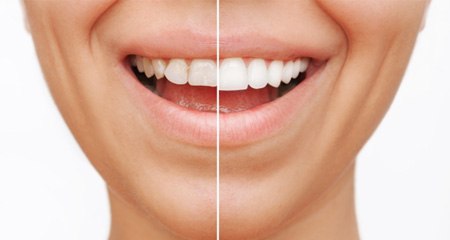
Here are a few of the many reasons why veneers are so popular:
- Dental porcelain is a strong material that’s able to withstand everyday use and natural chewing force, allowing it to last for over a decade with proper maintenance.
- Veneers can fix everything from small gaps to permanent discoloration simultaneously.
- Since each veneer is completely customized, it’s virtually indistinguishable from your natural teeth.
- Veneers are stain-resistant, so they won’t discolor like your natural enamel.
- The entire veneers process can be completed in as little as two appointments.
Veneer FAQs
Are Veneers Permanent?
No! But while veneers are not permanent, their application is considered irreversible. When getting veneers, a small amount of enamel is filed away to ensure a proper fit, and unfortunately, enamel does not regenerate. It’s important to note that while veneers aren't a lifelong commitment, their application involves a permanent alteration to the tooth's enamel. This makes it necessary for teeth treated with veneers to always require some form of covering, either with new veneers or crowns.
Do Veneers Give You a Lisp?
Initially, some people may experience a temporary lisp after getting veneers. This is attributed to muscle memory, as the tongue isn't used to accommodating the presence of veneers while talking. The slight difference in thickness affects tongue movement, particularly when pronouncing "s" and "v" sounds.
Fortunately, your tongue will adjust over time, and practicing these sounds can speed up the process. In some cases, we can help by slightly reducing the thickness of the veneers in specific areas to alleviate the lisp. While a temporary lisp may occur, keep in mind that with time and possible adjustments, you can easily overcome this challenge!
Can You Whiten Veneers?
Teeth whitening does not impact the color of veneers, even if they become stained. The only effective way to address discoloration in veneers is to have them replaced or shaded. It's important to note that while veneers are not affected by whitening, the surrounding natural teeth can still change color, leading to an uneven smile tone.
For those considering both whitening and veneers, it's strongly recommended to begin with teeth whitening. This ensures that the veneers can be color-matched to the current shade of the natural teeth for a more cohesive appearance.
Is It Painful to Get Veneers?
Getting veneers is typically not a painful process. During the procedure, your mouth is numbed to ensure you don't feel any pain. However, there might be some sensitivity and discomfort when temporary veneers are first attached. Post-treatment, the level of discomfort depends on the number of veneers being placed. Two to four veneers usually result in minimal pain, while eight or more may cause soreness in the gums and jaw.
Some people may experience "bonding sensitivity," leading to temporary sharp pain when consuming hot or cold items. This can be managed with painkillers and saltwater rinses. Over-the-counter medications like ibuprofen can also help relieve oral soreness during the recovery period.
What Happens to the Teeth Under Veneers?
If you’re worried that getting veneers means you’re sacrificing your dental health ‘just’ to enhance your appearance, you can thankfully set your worries aside. These restorations are strong enough to resist chipping, cracking, and staining, and even help shield the underlying teeth from harm.
However, they only cover the fronts of your enamel, so you could still develop cavities or gum disease that erode the materials your cosmetics are bonded to and cause them to fail. Fortunately, this can be avoided by maintaining a twice-daily at-home dental hygiene routine that includes both brushing and flossing thoroughly.
What are Veneers Made From?
Are you curious what your customized prosthetics are made from? Veneers can potentially be made out of different materials, including tooth-colored resin or ceramic, but they’re usually created using resilient porcelain. This material is less porous than enamel, so it doesn’t stain as easily, and can be color-matched to resemble or improve the natural shade of your teeth for seamless results.
How Long Do Veneers Last?
Getting veneers can involve an investment of both time and personal resources, and it’s only natural to wonder whether they’ll last long enough to be worth it. With that said, plenty of people have chosen to enhance their appearance this way specifically because it’s known for being so resilient and long-lasting.
For example, a 2012 study reported that of 318 veneers placed, 95% lasted 5 years, 94% lasted 10 years, and 83% lasted 20 or more years. Most patients can help maintain their cosmetic enhancements by brushing and flossing twice daily, avoiding overly darkly colored, sticky, hard, or crunchy foods, and scheduling a routine dental exam and cleaning with our team every 6 months.
Does Dental Insurance Cover Veneers?
Dental insurance can often be a simple and effective way to reduce out-of-pocket costs for everything from routine preventive visits to more complex treatments or restorations. However, most plans focus on improving your dental health and don’t always cover cosmetic procedures, which are intended to enhance your appearance rather than your oral condition. But there may be exceptions, or your policy might cover aspects of your visit, such as your initial assessment or images.
But if you’re uninsured and are concerned about the cost of this elective service, you might benefit from a flexible payment plan through CareCredit or Lending Club. If your application is approved, these low- to no-interest options allow you to divide your total invoice into more manageable installments over a designated period, which can be easier on your budget.

Have Questions? Get Answers.
Please fill out this short form and we’ll be in touch.