
Wisdom Tooth Extractions – Gainesville, FL
Safely Remove Painful Wisdom Teeth

Having wisdom teeth removed is such a common experience that it’s almost a right of passage, but that doesn’t make it any less intimidating! Rest assured, your comfort is a priority here at Exceptional Dentistry & Sedation Center. We offer dental sedation services for patients who need it, and will review the entire treatment process with you so you know what to expect. If your third molars are troubling you, please contact our office. We’ll promptly and safely remove your painful wisdom teeth so you can get back to your normal routine.
Why Choose Exceptional Dentistry & Sedation Center For Tooth Extractions?
- IV Sedation Available for Nervous Patients
- CareCredit Financing Makes Payment Manageable
- Prompt, Same-Day Emergency Dental Care
What Are Wisdom Teeth?
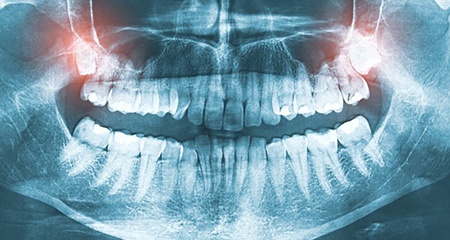
Wisdom teeth are the four molars at the very back of your mouth – though not everyone has all four. Since they’re the third set of molars that come in, they’re also known as “third molars.” Wisdom teeth typically emerge during teenage years or young adulthood. Either way, they should be the last set of teeth to fully develop.
Why Do Wisdom Teeth Need to Be Removed?

Technically, not all wisdom teeth need to be removed. Some people are able to grow them in without complication. The problem occurs when the molars become “impacted” – meaning they become fully or partially trapped below the gumline. Impacted wisdom teeth can cause serious oral health issues if left untreated, including:
- Cysts
- Infection
- Misalignment
- Increased risk of tooth decay in nearby teeth
Many know it’s time to remove their wisdom teeth when they experience pain, but it’s worth noting that just because you don’t feel any discomfort doesn’t mean your third molars are safe to keep. The only way to know for sure is to visit your dentist in Gainesville for an exam.
What to Expect from the Wisdom Teeth Procedure

We may be able to remove your wisdom teeth with a simple extraction. If this is the case, we’ll gently wiggle them loose until they pull free of the socket. Otherwise, we’ll have to perform a surgical extraction (which is more common for impacted wisdom teeth). With this method, we’ll make a small incision in your gumline and cut the molars into small pieces so we can remove them safely.
Recovering From Wisdom Teeth Extraction

Your mouth will require care and attention after your wisdom tooth extraction in Gainesville. We’ll be sure to provide you with detailed recovery instructions before you leave the office, but here’s an overview of what you can expect:
- Do not spit, smoke, or use straws when drinking
- Use gauze to manage intermittent bleeding
- Take over-the-counter pain relievers as necessary
- Don’t eat foods that are hard or crunchy, and stick to a soft food diet
- Sleep with your head elevated
- Avoid strenuous activity and get plenty of rest
Wisdom Teeth Extraction FAQs

Do you want to know more about wisdom teeth extractions? Removing teeth can seem like a very big deal, so being a little curious is totally normal. Our all-star team at Exceptional Dentistry & Sedation Center has put together the following FAQ section to help answer any lingering questions you may have about wisdom teeth removal.
Don’t see your question or concern addressed below? Feel free to give our office a call or schedule a consultation online.
How Might Wisdom Teeth Removal Affect My Child’s Everyday Life?
Removing impacted or infected wisdom teeth can provide immediate pain relief for your son or daughter. If your child’s wisdom teeth are not yet causing trouble, extraction can help prevent complications from developing in the future. For example, their risk of oral disease and gum inflammation may decrease after getting their wisdom teeth removed. In addition, if your son or daughter wants or needs to straighten their smile, wisdom teeth extractions can help pave the way for braces or other orthodontic treatment.
How Are Wisdom Teeth Removed?
There are two primary ways dental professionals remove wisdom teeth: pulling and surgical extraction. Here is what you need to know about each method:
- Pulling is most commonly used when the wisdom teeth have fully erupted from the gums. The dentist uses a special metal clasping tool to firmly grab ahold of the tooth. They then gently shift the tooth back and forth until it breaks free from the gums.
- Surgical extraction may be necessary if the wisdom teeth are impacted. This method involves a dentist making a small cut in the gums to reveal the tooth. They may then drill into or break the tooth into smaller sections before removing the pieces one by one.
Does My Dental Insurance Cover Wisdom Teeth Extractions?
Most dental insurance plans cover 50% to 80% of wisdom teeth extractions. However, every plan is different, so be sure to check with your insurance provider before scheduling extraction surgery. If you would like help understanding the details of your insurance plan, do not hesitate to ask our team for assistance! Our knowledgeable staff always works to help patients maximize their insurance benefits. We will even file the insurance claim on your behalf so you do not have to worry about doing paperwork after getting your or your child’s wisdom teeth removed.
How Much Does Wisdom Teeth Removal Cost?
The cost of wisdom teeth extractions is influenced by a number of factors, including how many teeth will be removed, whether the wisdom teeth are impacted or not, the type of anesthesia or dental sedation utilized, and more. Because every case is different, the best way to obtain an accurate cost estimate is to schedule a consultation at our office in Gainesville.
At Exceptional Dentistry & Sedation Center, we are committed to providing quality, affordable dental care. That is why we are proud to partner with CareCredit, a dental financing organization. CareCredit offers low and no-interest payment plans for qualified patients who may not have dental insurance. By breaking down the cost of wisdom teeth removal and other dental treatments into manageable chunks, you can get the dental care your family needs without breaking the bank. Ask our staff for more details!
Is Wisdom Tooth Removal Painful?
This is one of the most-asked questions we hear from patients when they find out that they need to have their wisdom teeth extracted. The good news is the answer is “no.” This is largely due to the fact that the first step of the procedure is always the same: to numb your mouth thoroughly. We will also provide you with a list of aftercare instructions so the healing period goes smoothly as well, like taking OTC pain medication as directed and using a cold compress for 10 minutes at a time.
How Soon Can I Eat After Wisdom Teeth Removal?
It’s recommended that you wait at least an hour before eating. There are a few reasons for this, including that this allows the gauze to stay in place, slowing down the bleeding in the process. This also ensures that you don’t end up eating anything while your mouth is completely numb, which could lead to painful soft tissue irritation and cuts.
Once you do get the green light to eat, stick to a liquid diet for the first 24 hours. After that, you can incorporate extremely soft foods into your diet, like cottage cheese and plain yogurt. As you begin to heal, you can progressively incorporate more substantial foods into your meals. Just make sure to exercise caution and advance as you feel comfortable.
Are Wisdom Tooth Extractions Covered by Insurance?
Since wisdom tooth extractions in Gainesville are typically medically necessary, many dental insurance providers do cover a portion of the cost. With that said, there are a lot of factors that need to be considered, including waiting periods and annual maximums. So, it’s important to read through the fine print on your plan. If you need any help with that, don’t hesitate to let us know – we’re here to help!
Don’t have dental insurance? In that case, consider CareCredit. This trusted third-party financier allows you to break up the total cost of your treatment plan into smaller chunks. That way, you don’t have to pay for the entire thing in one lump sum. If you are interested in learning more about this financial solution, get in touch!
Why Are Wisdom Teeth Called That?
Since the third set of molars is often more harmful than helpful, you might be wondering how they earned the nickname “wisdom teeth.” The prevailing theory is that it has to do with when they emerge. While the first two sets of molars develop in childhood, the third set makes an appearance in early adulthood. Since wisdom comes with age, they became known as “wisdom teeth!”
Does Everyone Have Wisdom Teeth?
Actually, no! In fact, the Dental Research Journal published an article sharing that somewhere between 5% and 37% of people are missing at least one of their wisdom teeth. It’s currently believed that genetics are a contributing factor. So, if your parents and grandparents didn’t have a third set of molars, you might not either!