
TMJ Treatment – Gainesville
Relieve Your Jaw Pain!
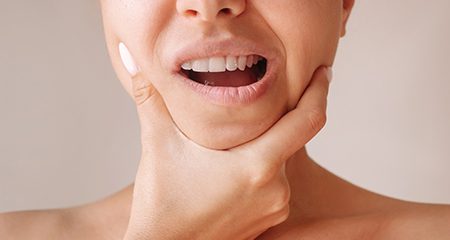
Has your jaw been popping, clicking, or hurting when you chew your food or open your mouth? Do you experience frequent morning headaches and earaches? This could be a result of temporomandibular joint (TMJ) disorder, also known as TMD. This is when your jaw joints aren’t functioning properly, leaving you with various uncomfortable symptoms. At Exceptional Dentistry & Sedation Center, we offer TMJ treatment to help you achieve relief. Continue reading to learn more about TMD and what we can do to help. To find out if it’s right for you, give us a call to schedule an appointment.
Why Choose Exceptional Dentistry & Sedation Center for TMJ Treatment?
- State-of-the-Art Dental Technology
- Friendly, Welcoming Dental Team
- Flexible Financing Options
What Is TMJ Disorder?
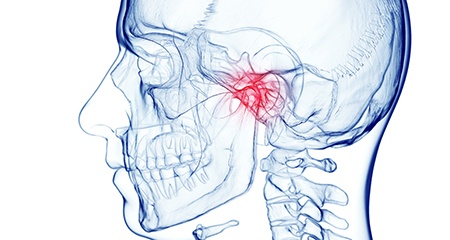
Your TMJs are a set of small hinges located in front of your ears. This joint is what allows your lower jaw to move up and down as you speak, laugh, and talk. The TMJ is one of the most complex joints in the body, so it can be disturbed by a misaligned bite, teeth grinding, and other factors. When the TMJ is disturbed, this is called TMJ disorder.
Symptoms of TMJ Disorder

There are many unpleasant symptoms of TMD. Here are some of the most prominent ones that are experienced.
- Headaches: One of the most underdiagnosed causes of frequent headaches is TMD. The jaw muscles become tense, strained, and overworked, so it is easy for this to affect nearby muscles in the head.
- Ear Pain: Since the TMJ is located next to the ears, having a dysfunctional joint can easily result in ear pain. It can also cause ringing in the ears, called tinnitus.
- Face/Jaw Pain: Jaw stiffness and pain are the most common symptoms of TMD. It can be difficult to chew comfortably and lockjaw is very common.
- Bruxism: Teeth clenching and grinding can be caused by daily stress, a misalign bite, and TMD. It usually happens during sleep and can overwork the jaw muscles, leading to additional pain.
Types of TMJ Treatment
Depending on the cause of your TMD and how severe it is, there are a variety of treatment options available, here are some of the ones that we offer.
Occlusal Splint
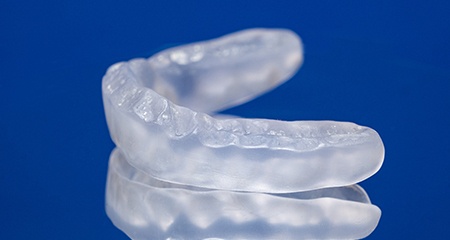
An occlusal splint is a customized orthotic device that is worn to reduce the prevalence of TMD symptoms. Every device is a little bit different and is worn during sleep. It works by shifting the jaw into its ideal position to relieve your joints of additional strain and stress. It can also reduce the harmful effects of teeth grinding and clenching.
Equilibration/Occlusal Adjustment

If your TMD is caused by bite misalignment or an improperly placed restoration, we may suggest occlusal adjustments. During this time, we will strategically and gently reshape your teeth so that they come together in a more function manner that doesn’t cause your joints to be strained. Ultimately, this allows for the teeth to come together properly, the jaw muscles to relax, and TMD symptoms to subside.
TMJ Treatment FAQs
Can TMJ disorder be cured permanently?
At Exceptional Dentistry & Sedation Center in Gainesville, our goal is to provide TMJ treatment that results in lasting pain relief. That is why we offer therapies that focus on the cause of symptoms, rather than simply masking the discomfort.
For example, an occlusal splint can help the jaw joints and surrounding muscles to relax. An occlusal adjustment allows the teeth work more harmoniously together, which in turn supports proper function of the jaw joints and other facial structures.
Of course, even after successful treatment, there is a chance that TMD symptoms can flare up again in the future. This might happen if you suffer a facial injury, develop certain medical conditions, or encounter extremely stressful life circumstances.
Can TMJ be fixed with braces or Invisalign?
In some cases, the root cause of TMD is dental misalignment. When the teeth and jaws do not work harmoniously together, it places extra stress on the jaw joints, which can lead to pain and a range of other symptoms.
Often, minor bite adjustments through equilibration are enough to relieve the problem. In other cases, though, orthodontic treatment is the best way to provide lasting results. If we believe that you need orthodontic care, we may recommend that you get started with Invisalign or that you visit an orthodontist to talk about braces.
Is TMJ treatment safe?
TMJ treatment is generally considered very safe. We use non-invasive and minimally invasive methods to help your jaw joints function better. These treatments are well tolerated by most patients with few side effects.
In severe cases, TMD requires surgical intervention. While surgery carries greater risks than other therapies, it is sometimes the best way to address the root of the problem. If you need a surgical procedure, the specialist who will perform it can answer your questions about both risks and benefits.
How long does it take for a TMJ splint to work?
Some people experience a positive difference within just a few nights of wearing their occlusal splint. However, optimum results may require consistent use for several weeks or even a few months.
If you do not notice an improvement within a reasonable amount of time, let us know. Your device might need adjustments, or it might be best to try an alternative form of TMJ treatment.
How long does occlusal adjustment take for TMJ?
An occlusal adjustment is a fairly quick process that takes place right in our office. Depending on your unique situation, you might need one or more appointments to complete your treatment.
Most patients notice positive changes in their bite and TMD symptoms very soon after getting an occlusal adjustment.